Electronics Engineer
Contact Me
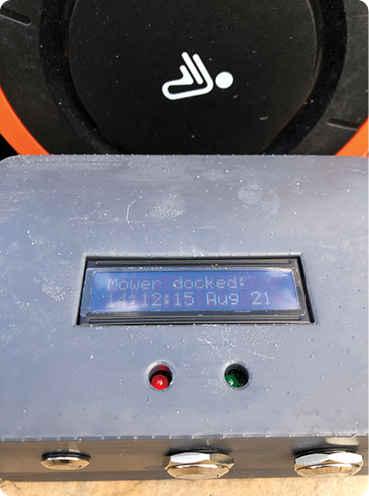
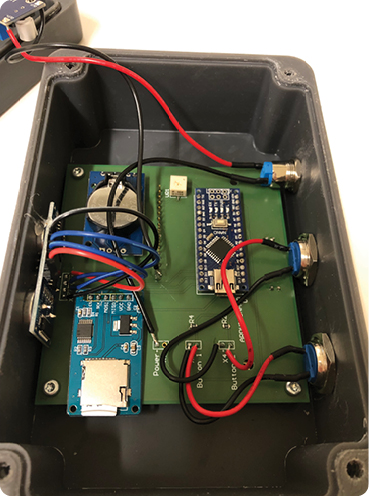
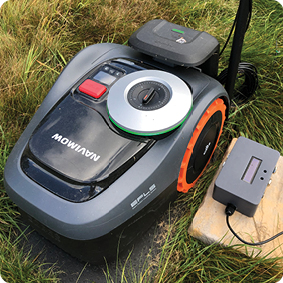
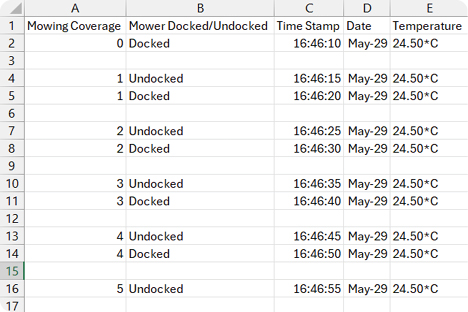
This device was built to assist with product benchmark testing while working for Bosch in their Lawn & Garden division. Attached to the PCB is an Arduino Nano that runs the circuit, an Ultrasonic Sensor (USS) that detects when the robot moves into a defined range, a Real Time Clock (RTC) that notes the exact date and time stamp when the robot either enters or leaves the defined range, a Liquid Crystal Display (LCD) to portray the latest docking/undocking, and an SD Card reader to save all the data collected, shown above, onto an SD card for later analysis with either other robots or local meteorlogical data.
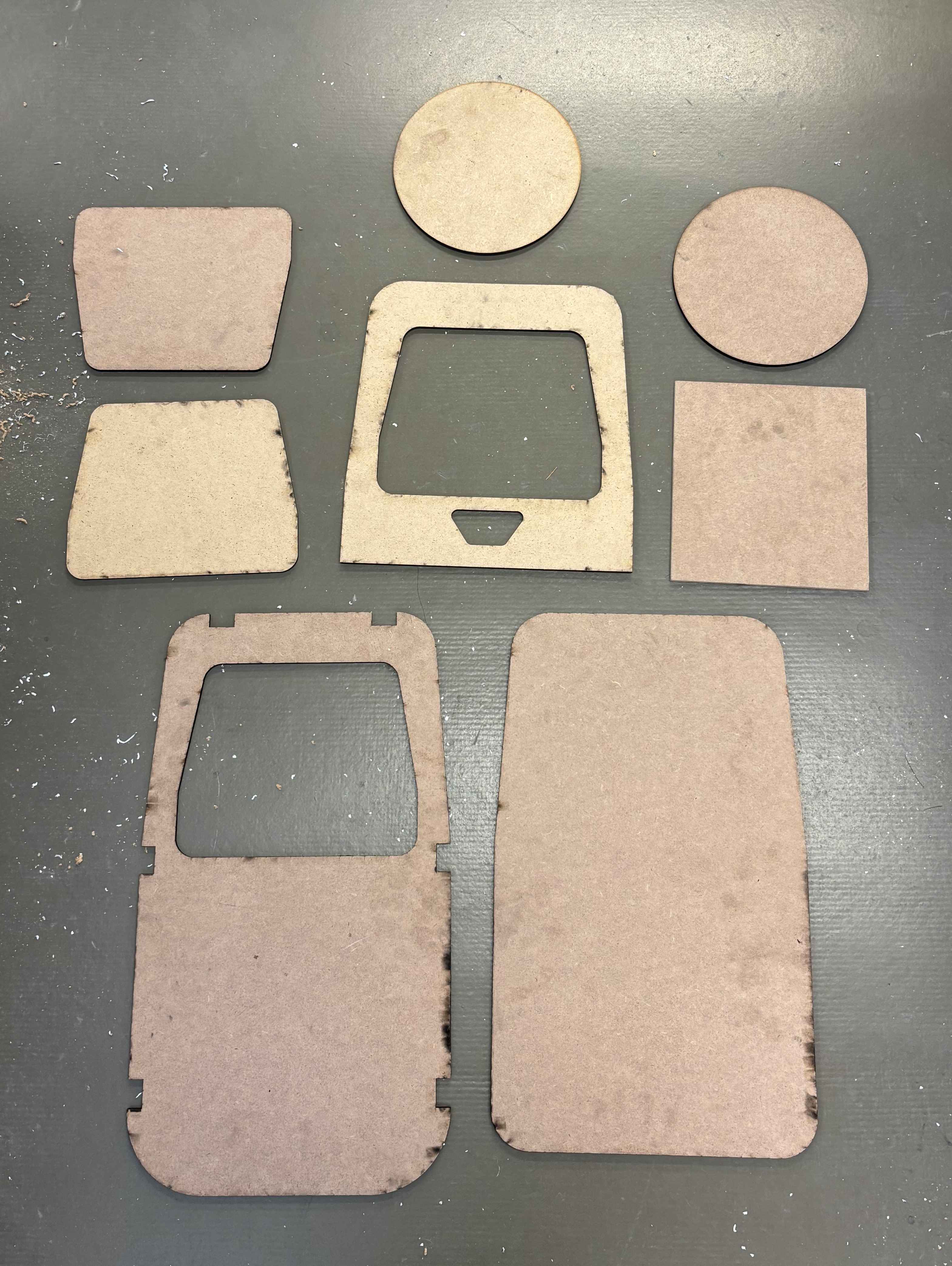
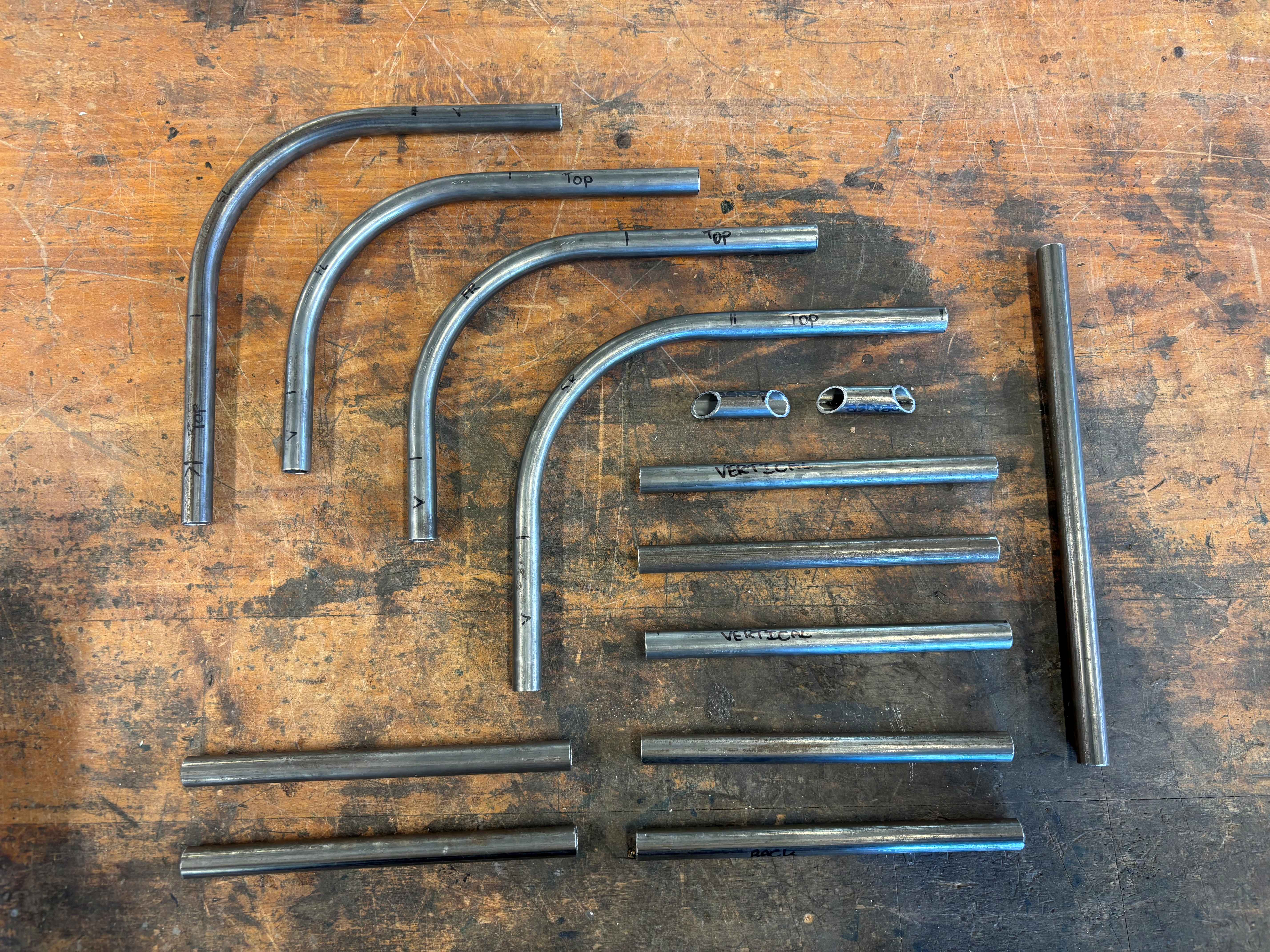
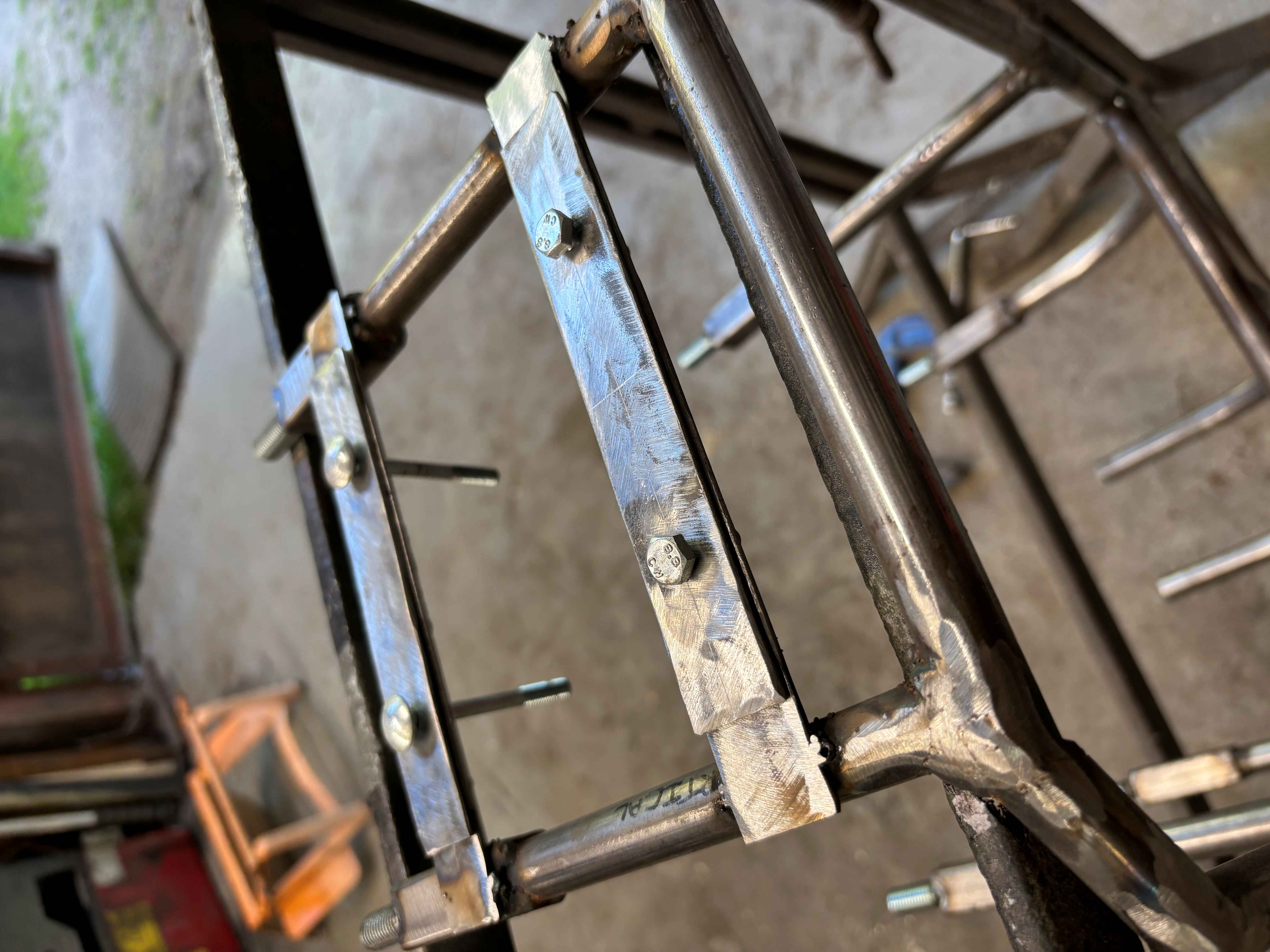
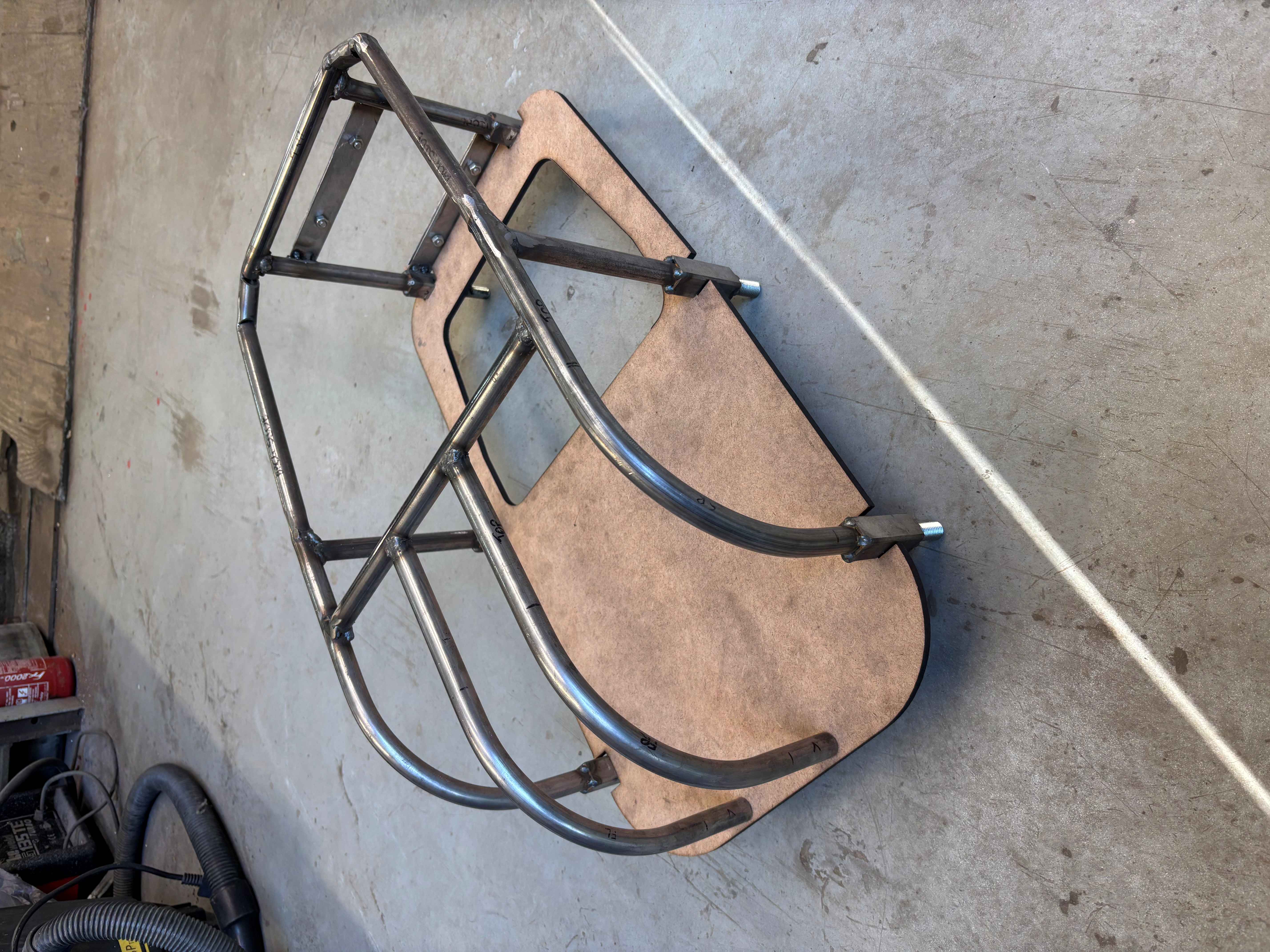
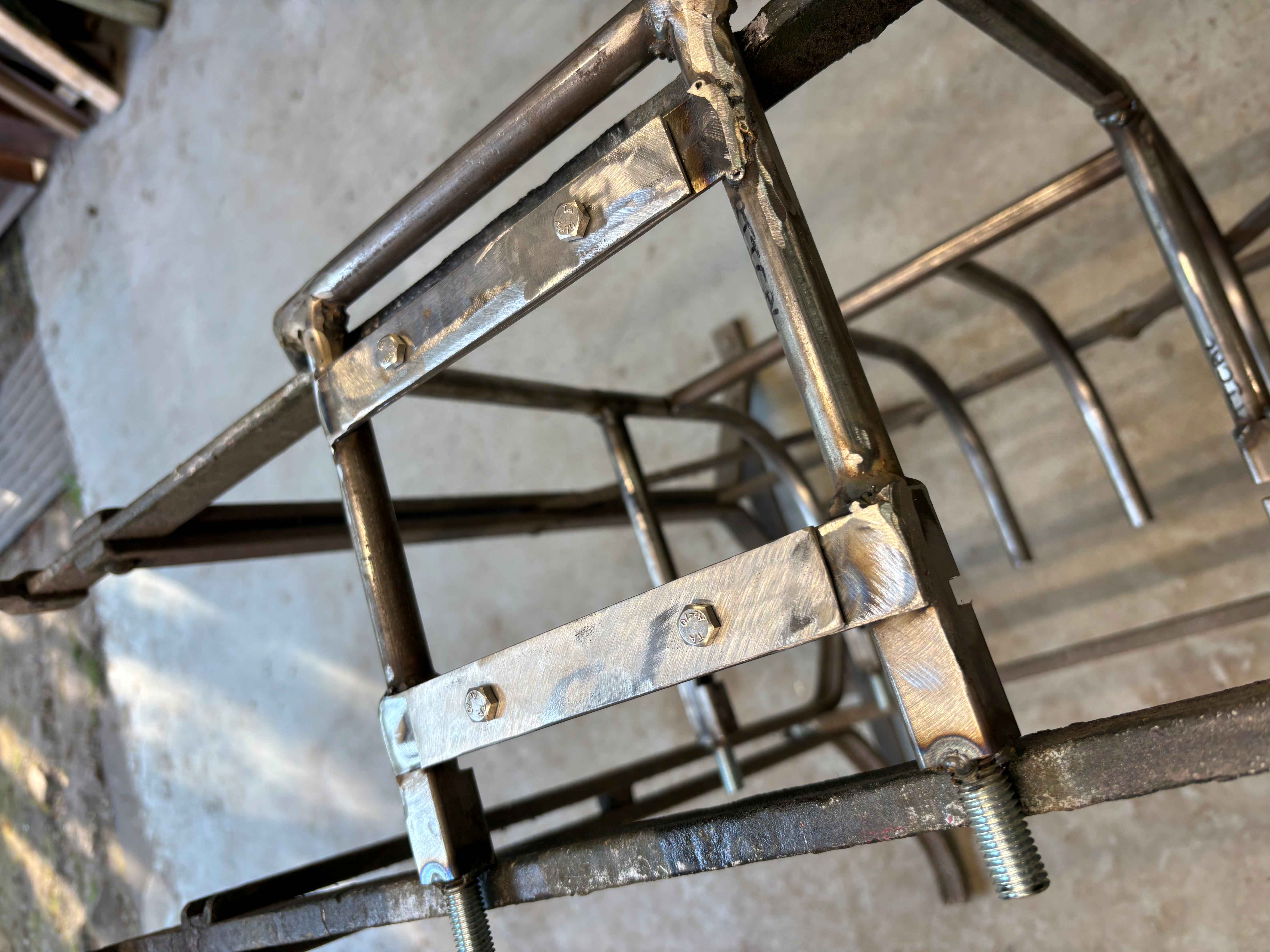
For my final year project at university I built a functional prototype that not only showed accurate dimensions of the product, but also how one would interact with the different modules. The prototype was built from a welded tubular steel frame with horizontal MDF sheets for additional structural symbolisation. The prototype could also be controlled with a PS4 controller via bluetooth to an ESP32 microcontroller, this allowed one to drive the robot around using the two joysticks on the controller, simulating how the robot would be controlled by two joysticks on its app.
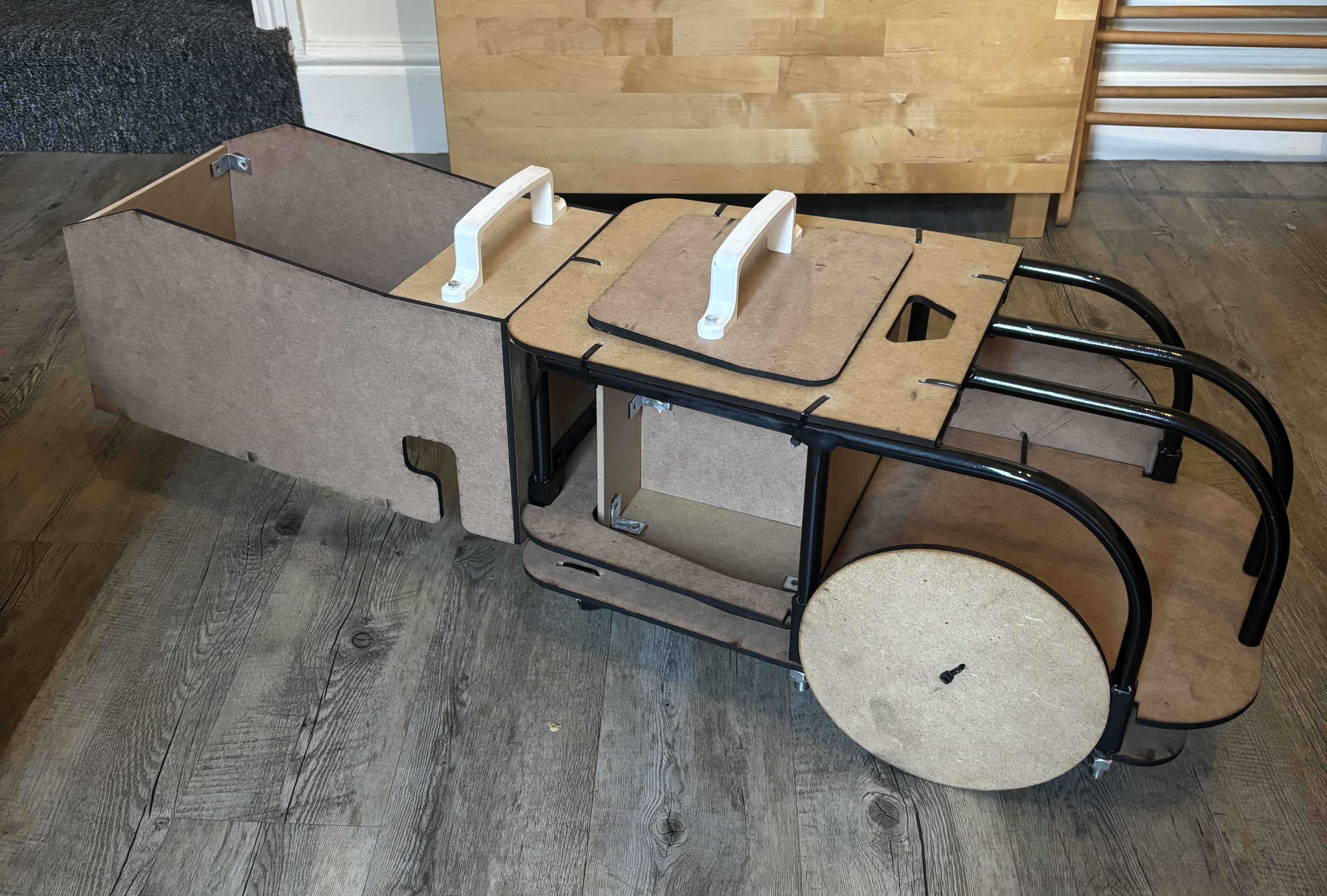
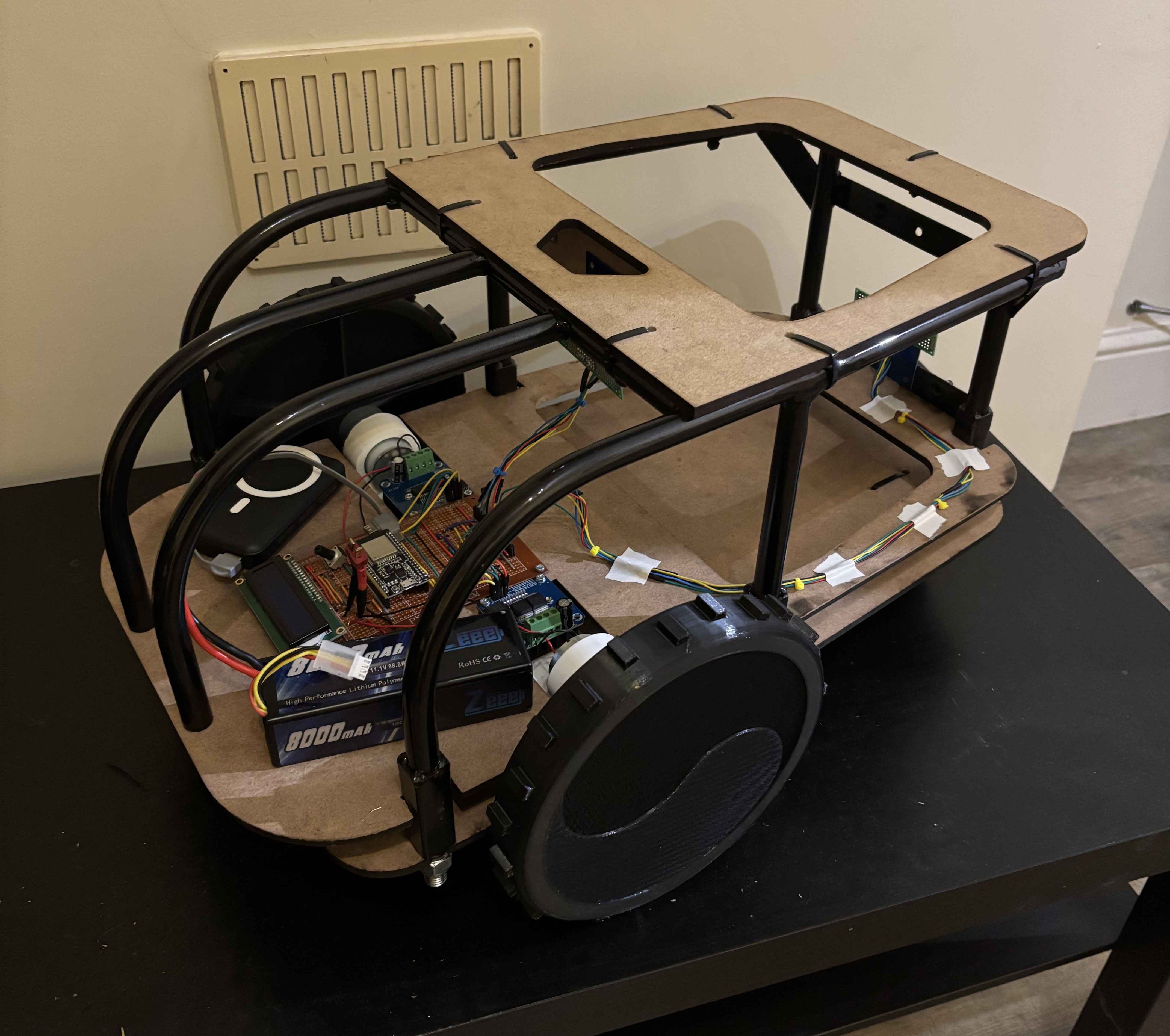
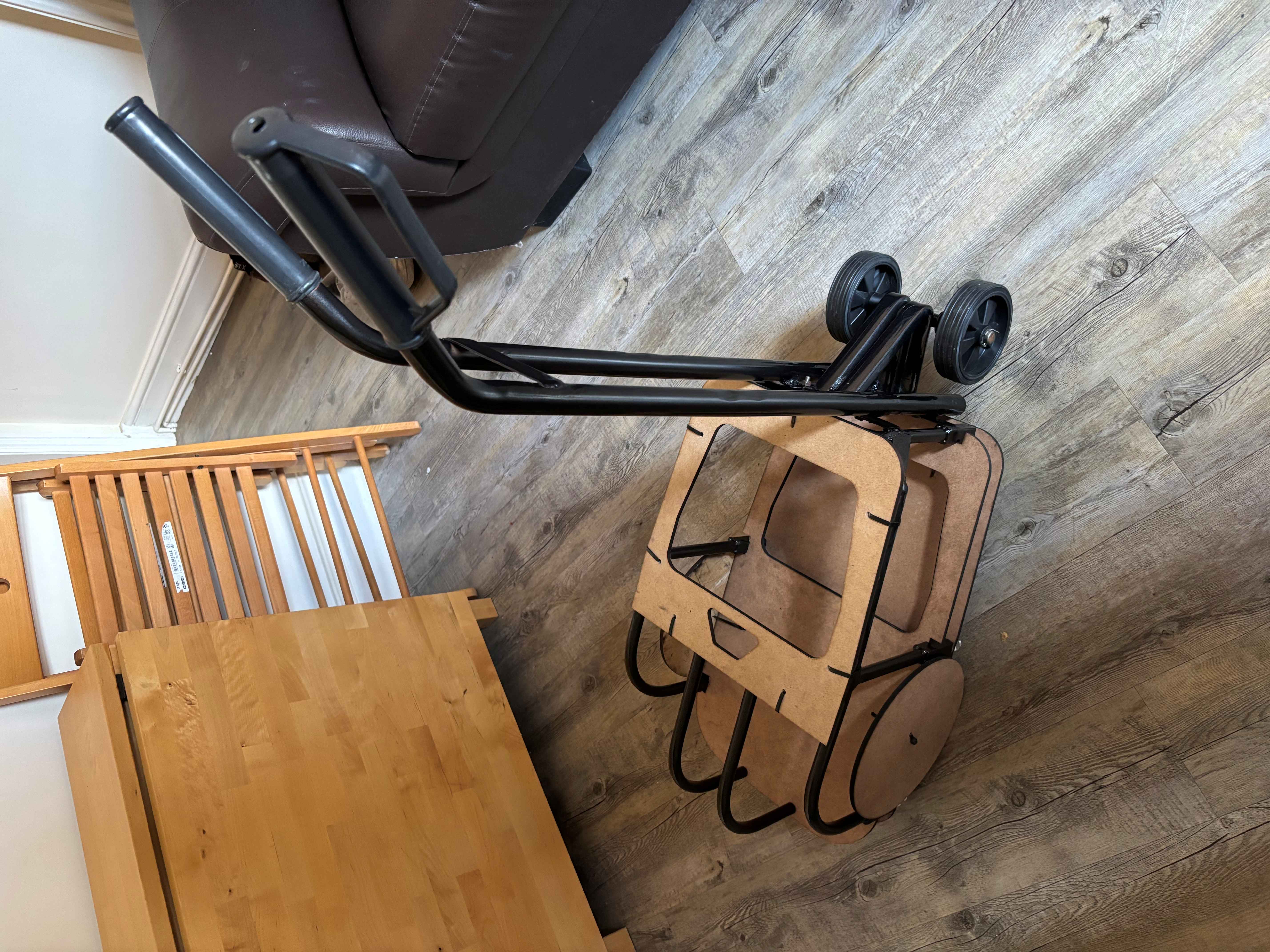
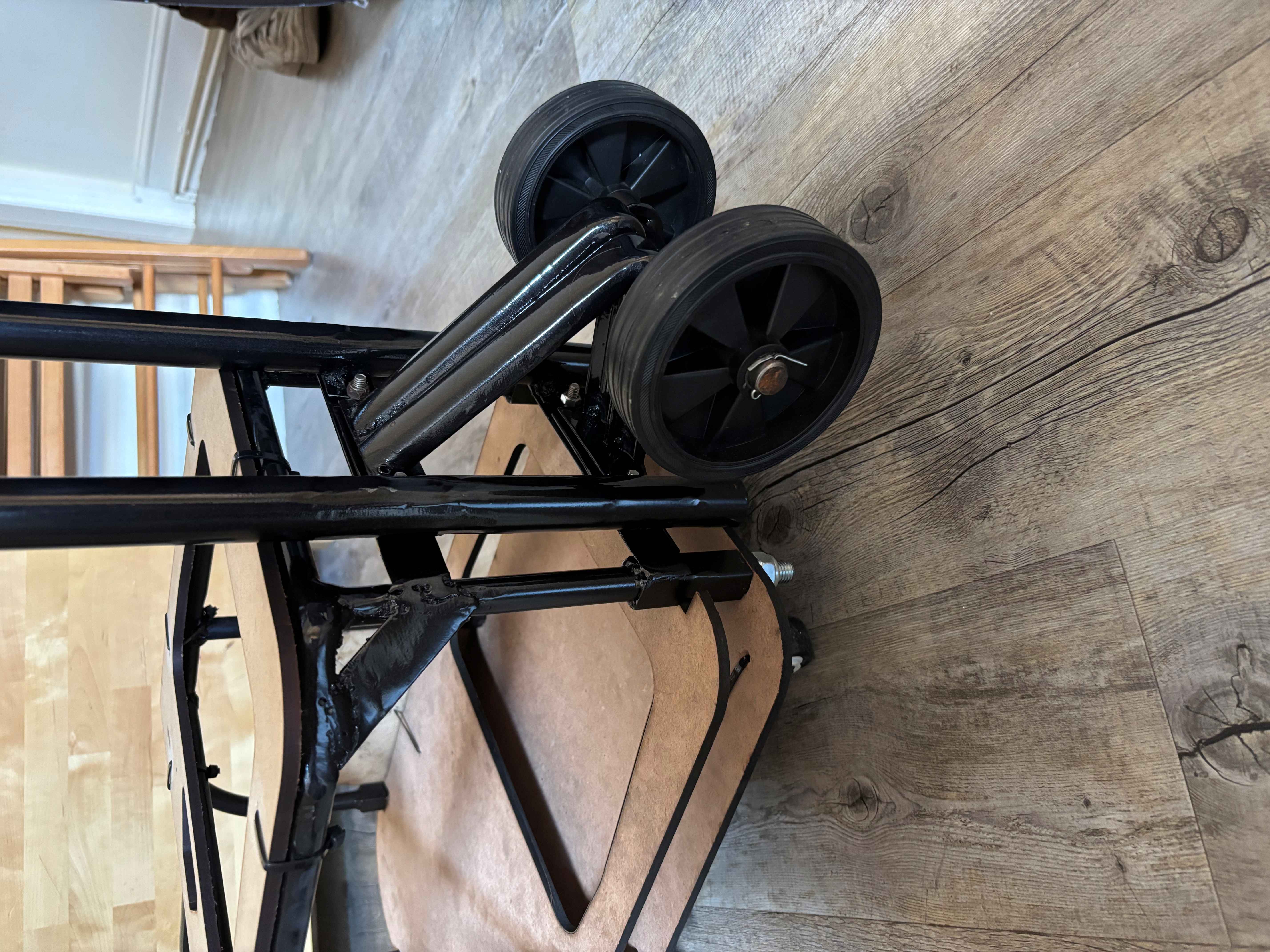
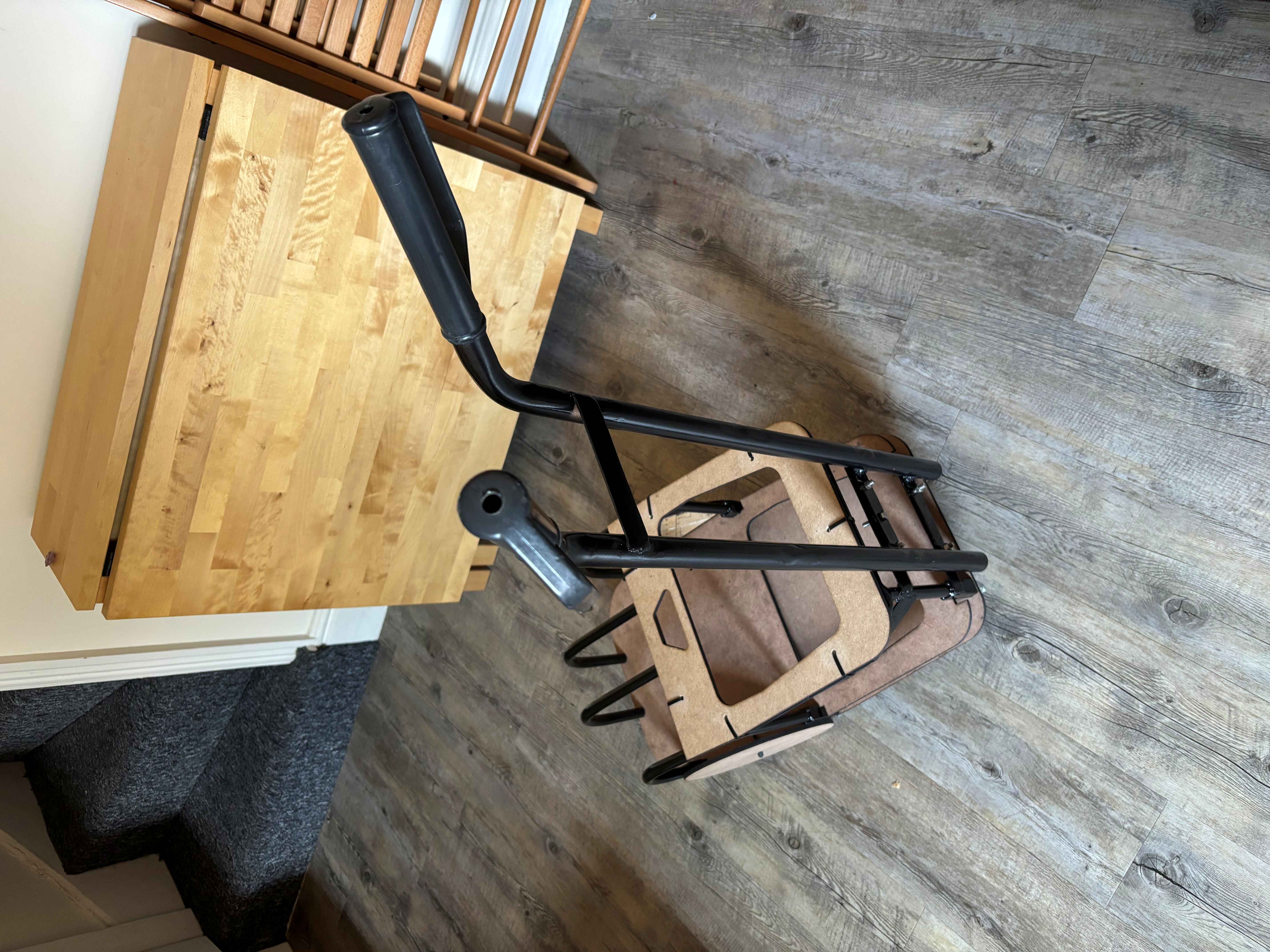
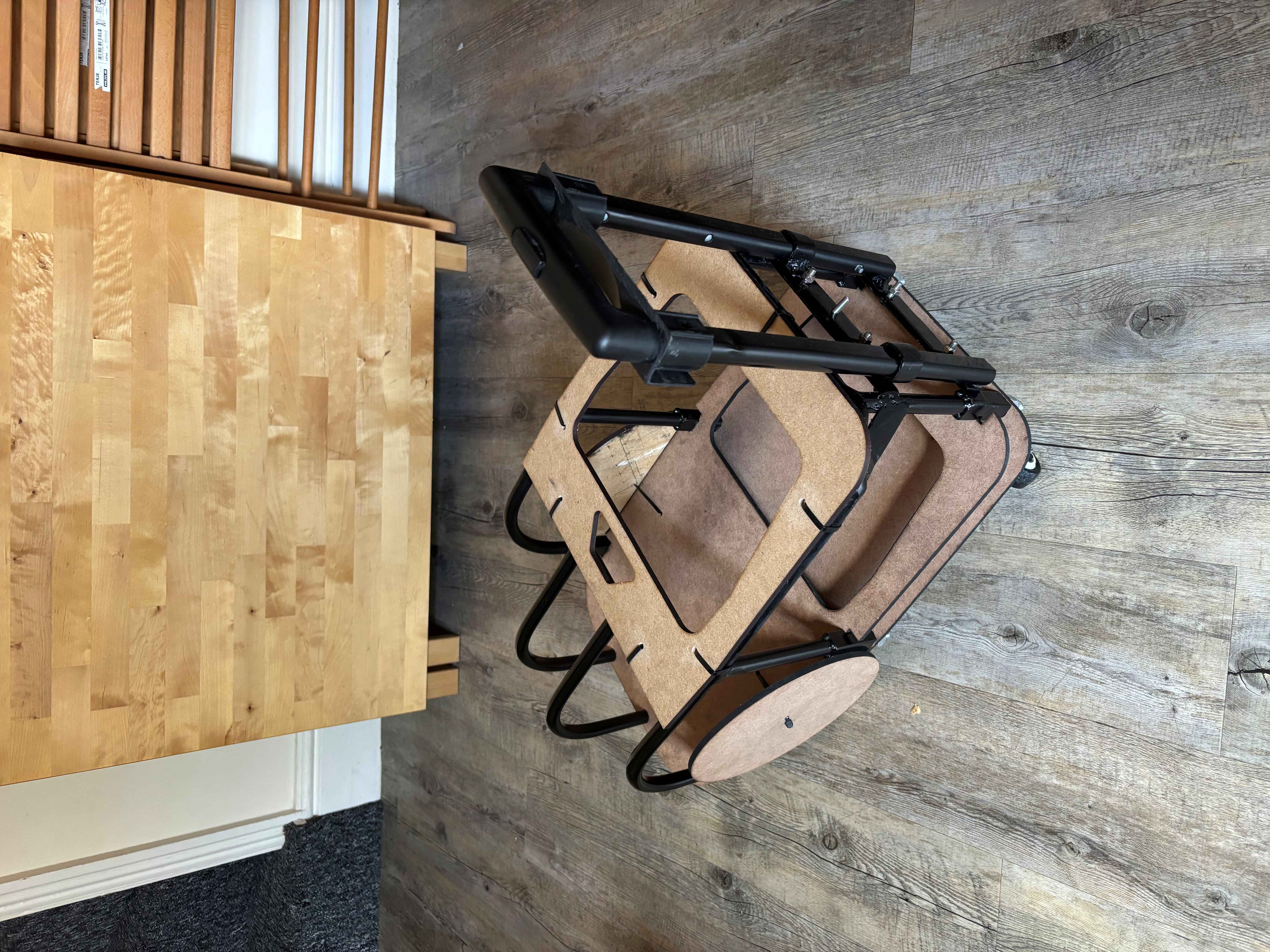
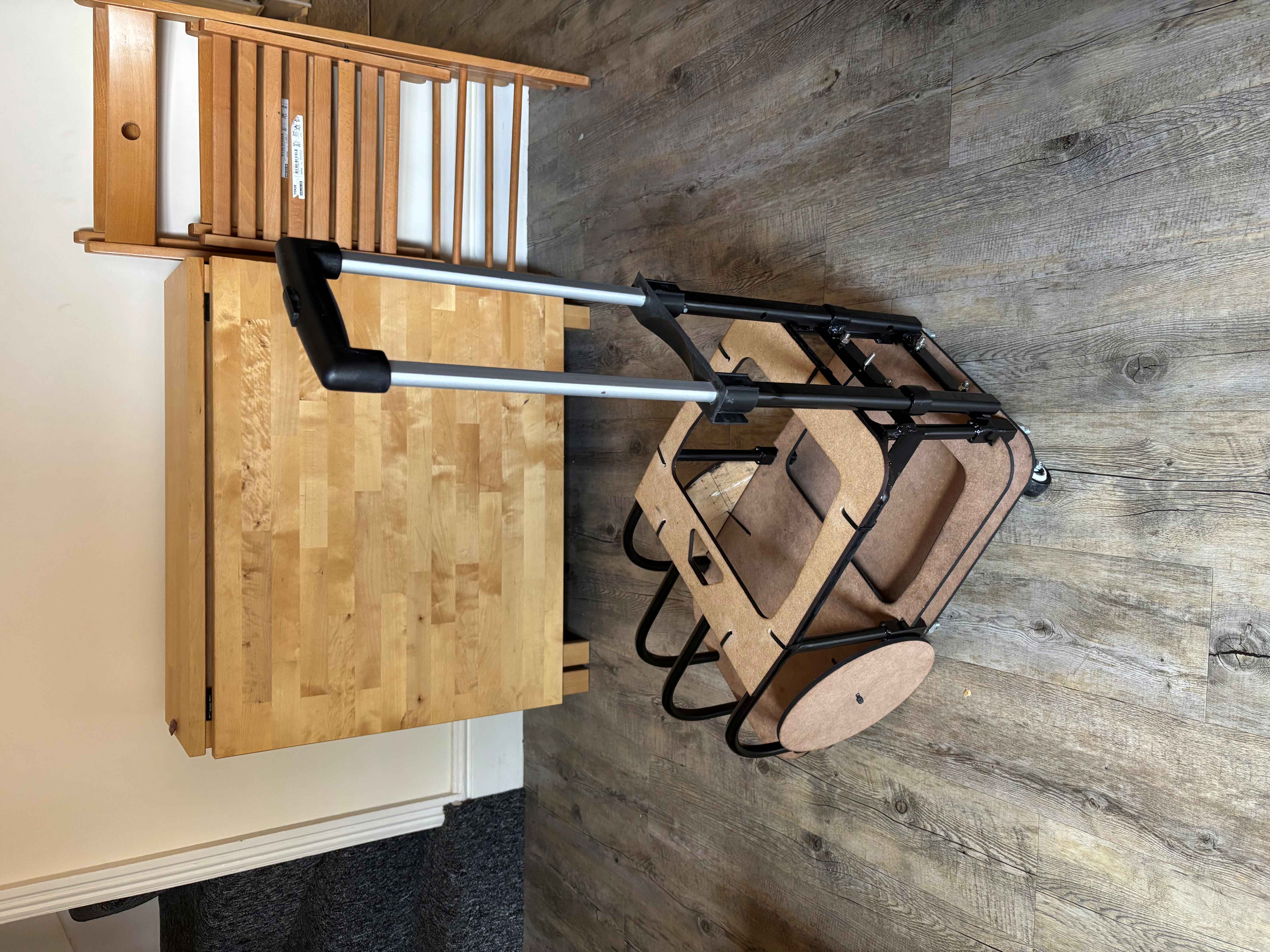
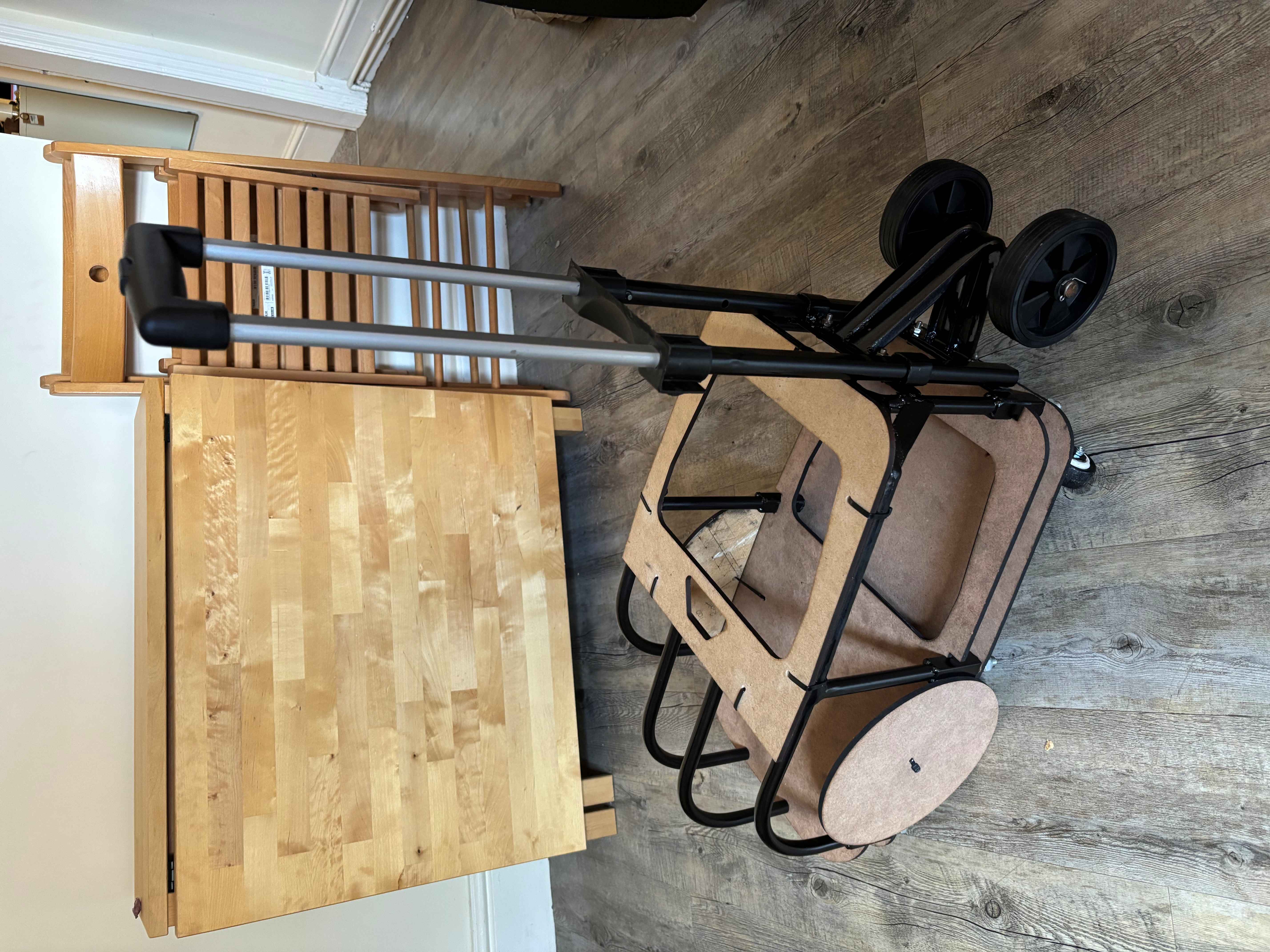
Different portability methods were also manufactured out of old suitcase handles or sack trolleys. These allowed me to ask users what they preferred and what was good and bad about each. From this I could improve the design of the robot and how one transported it to achieve the best outcome for the user.
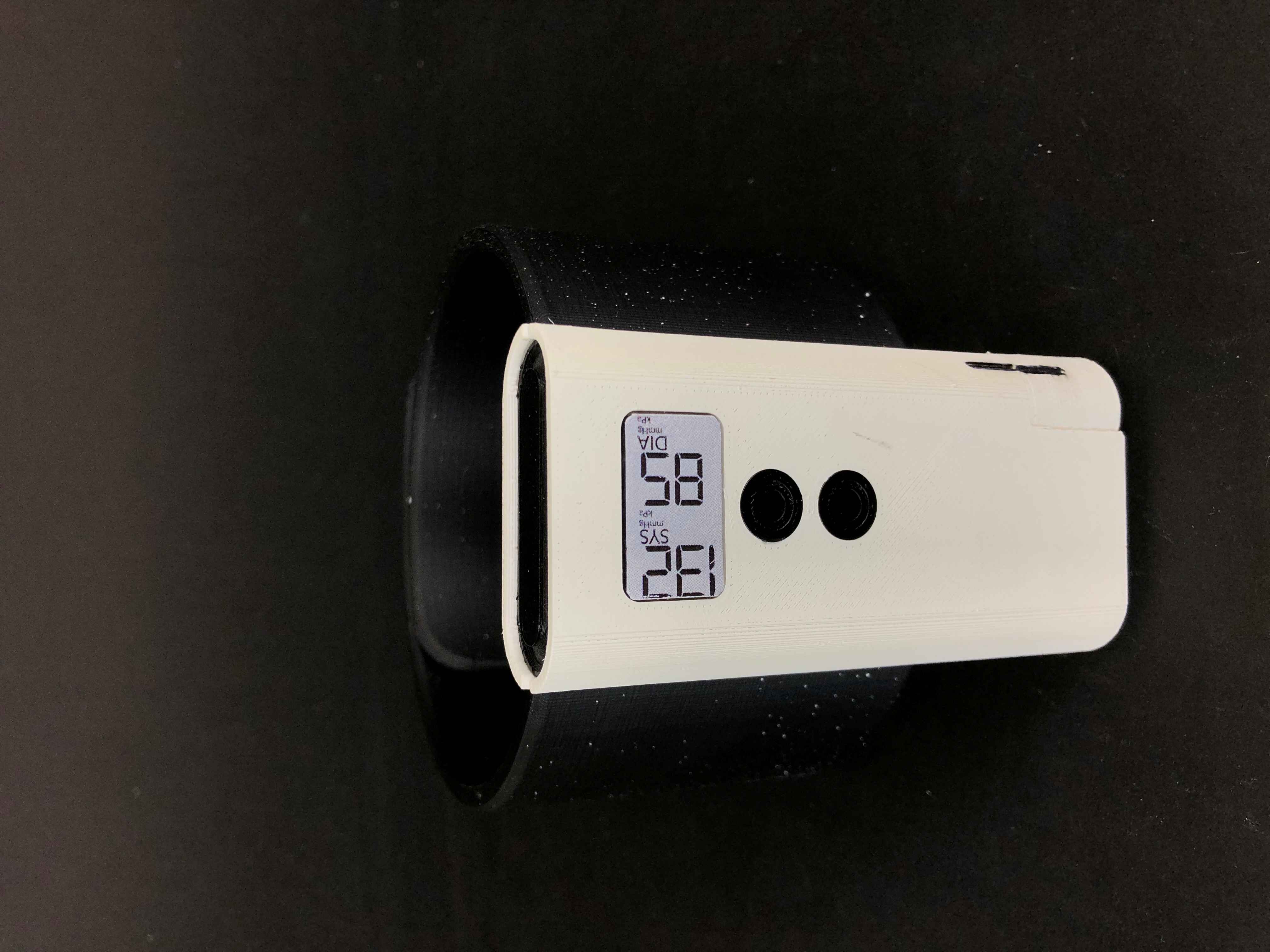
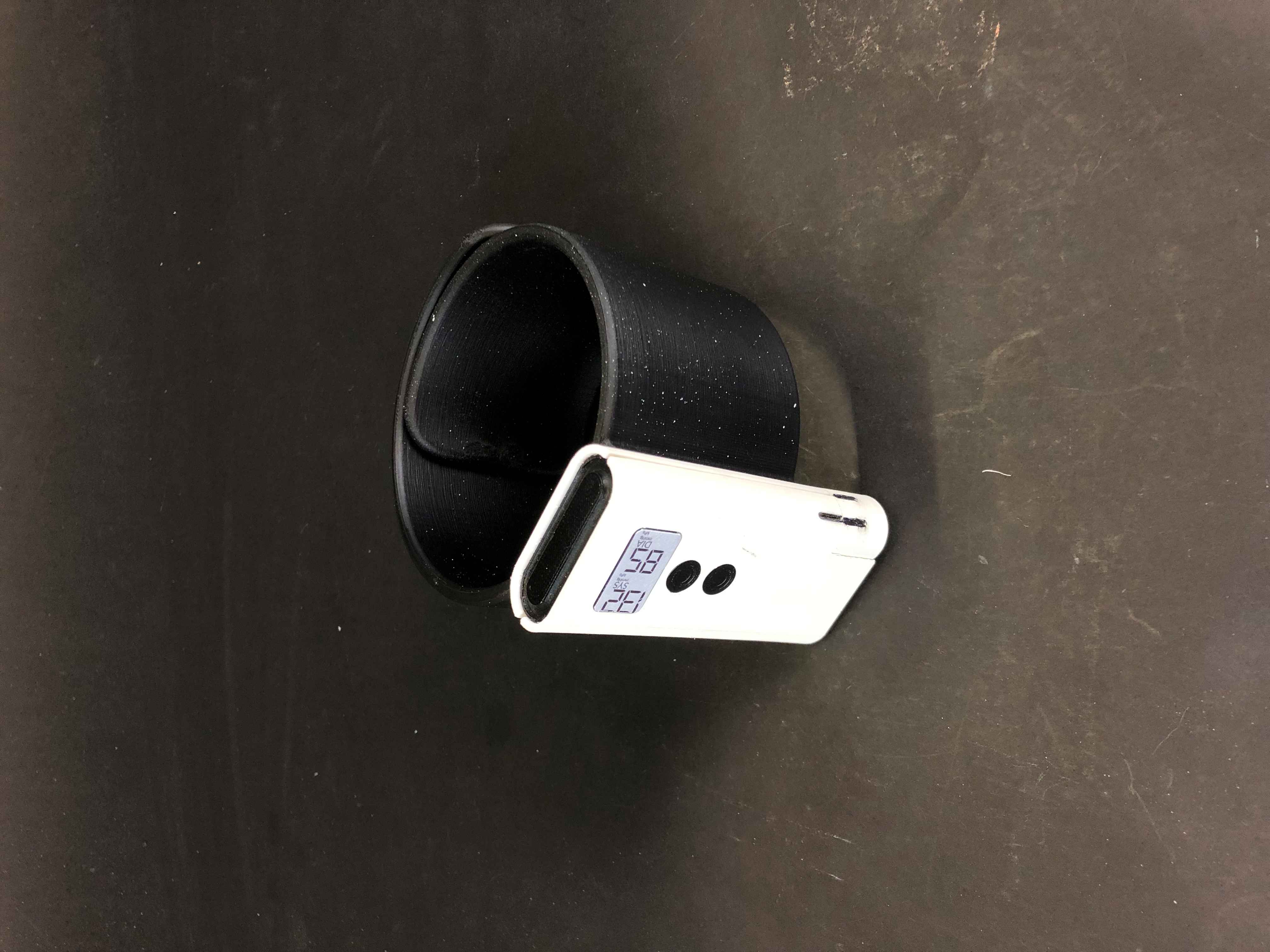
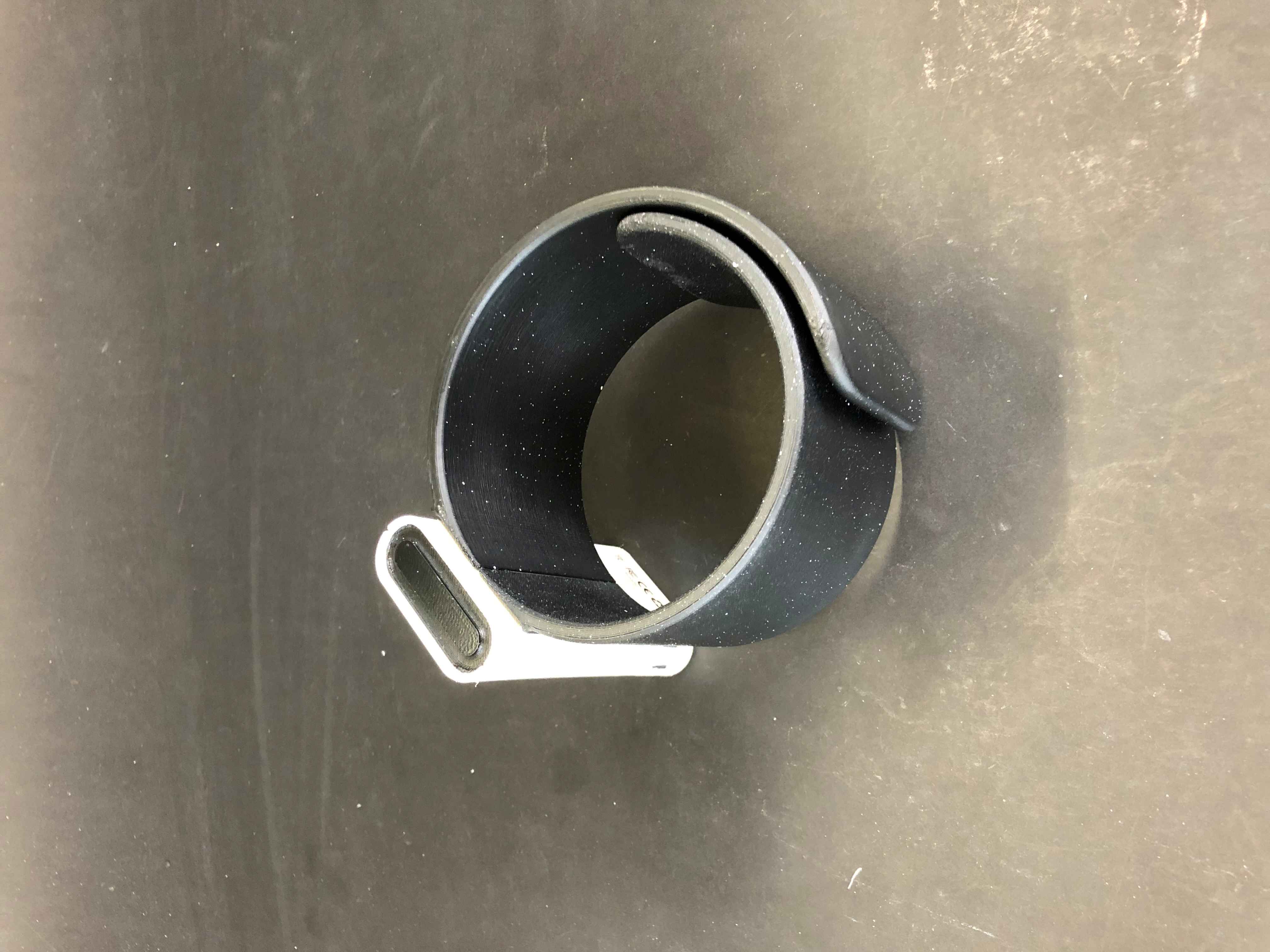
This is a 3D printed aesthetic model of an ambulatory blood pressure monitor to allow people to understand the size and dimensions of the product, as well as how the final product would look and feel, allowing further development to be taken if needed before commiting to manufacture.
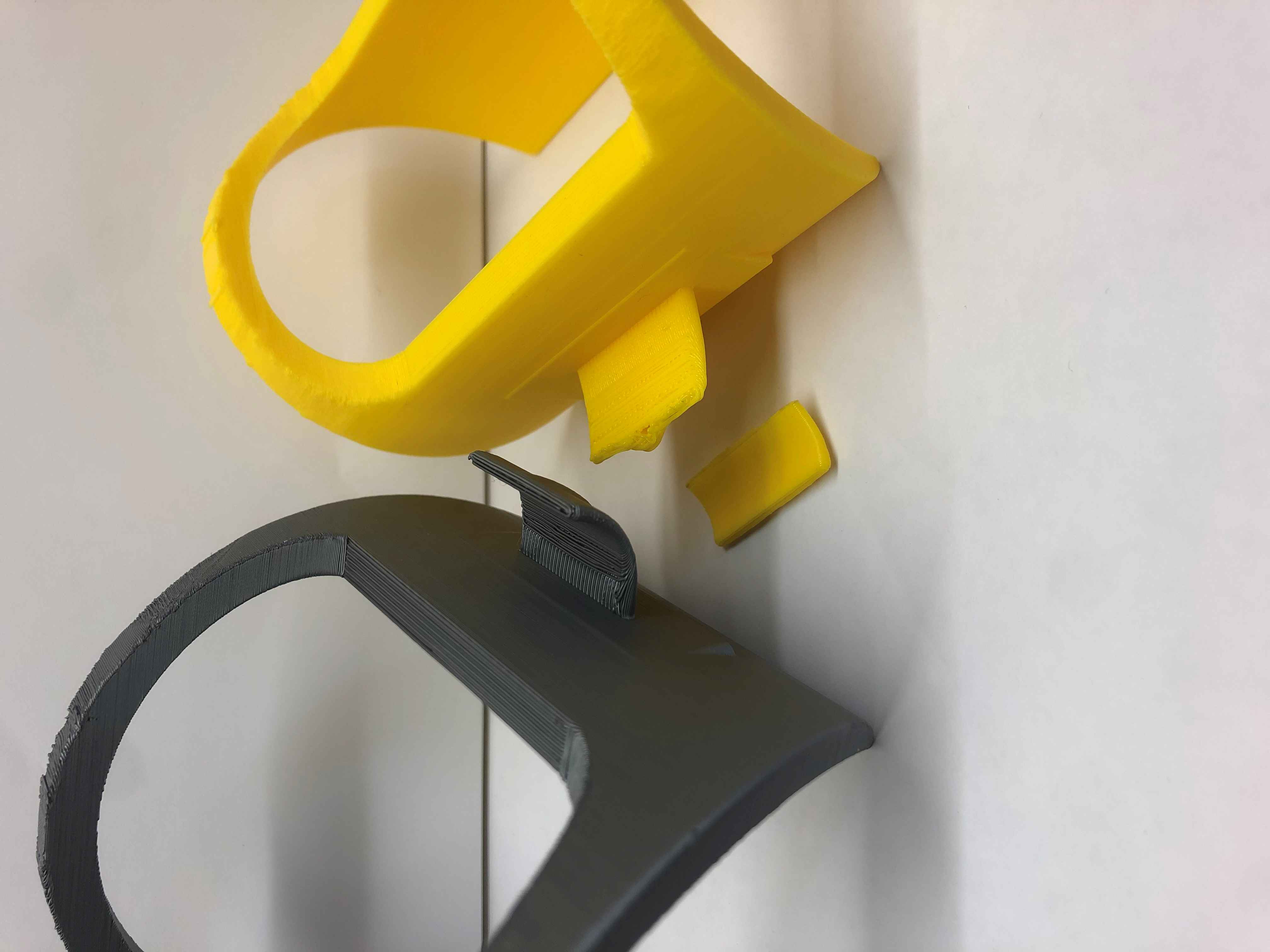
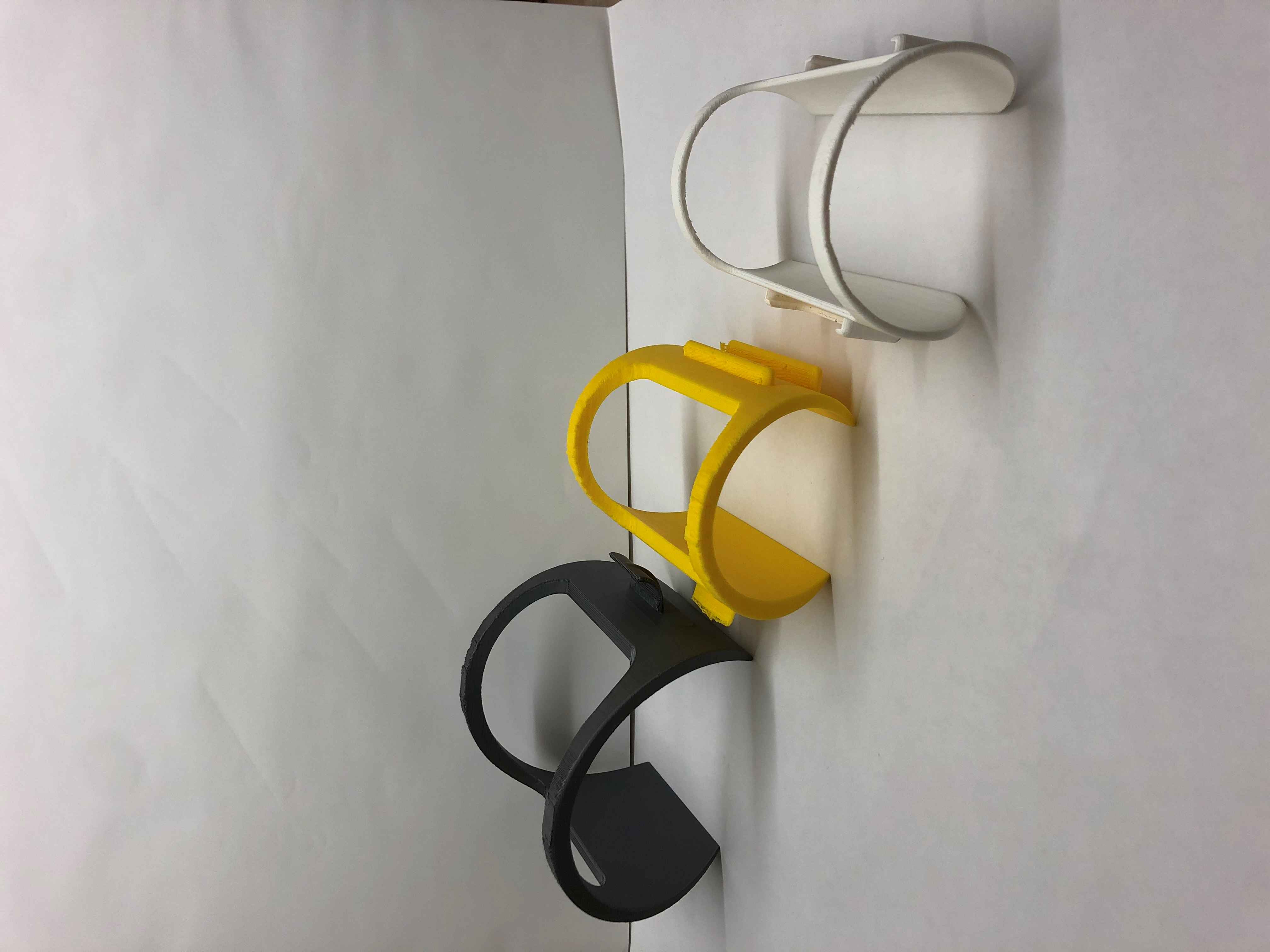
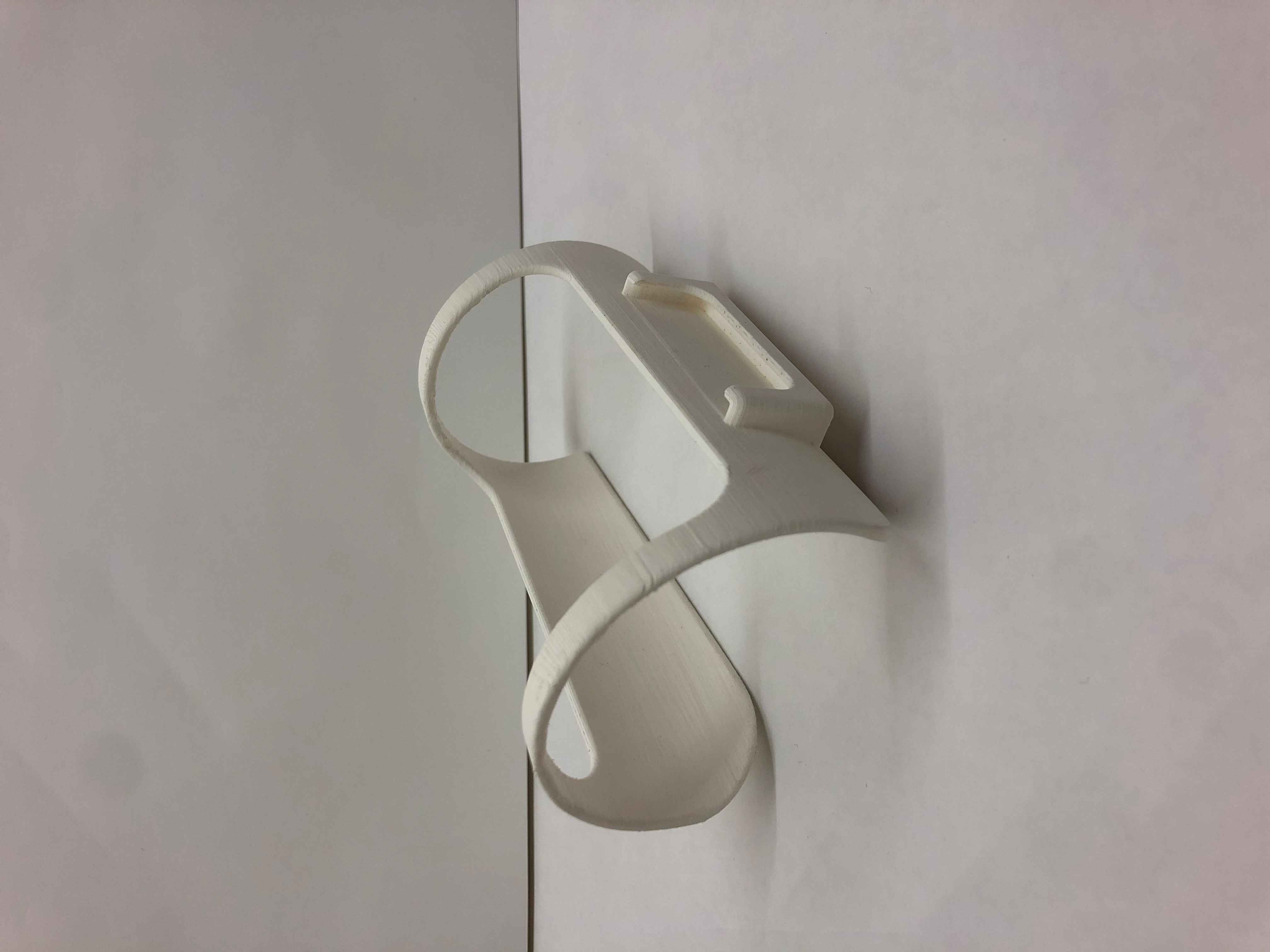
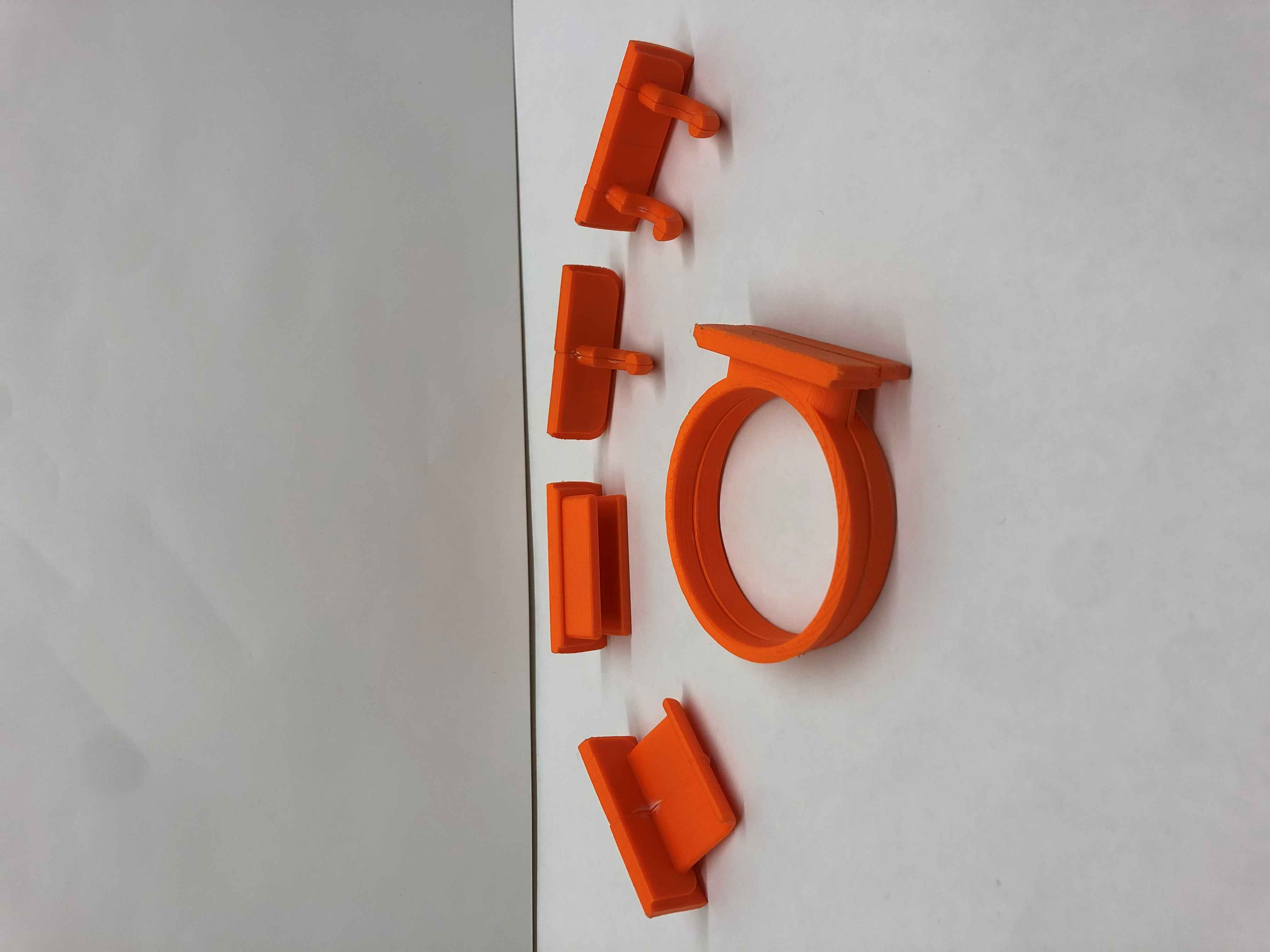
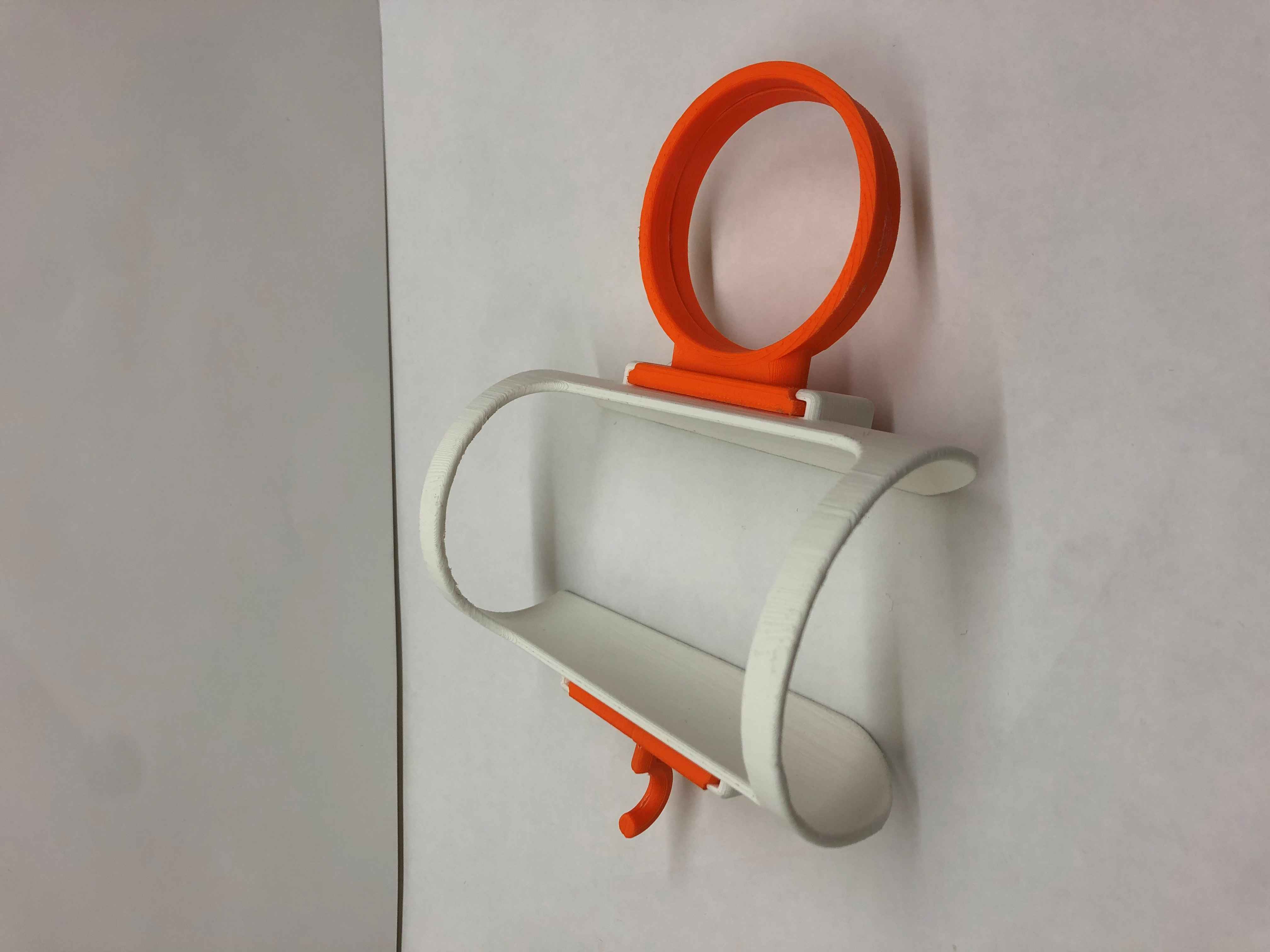
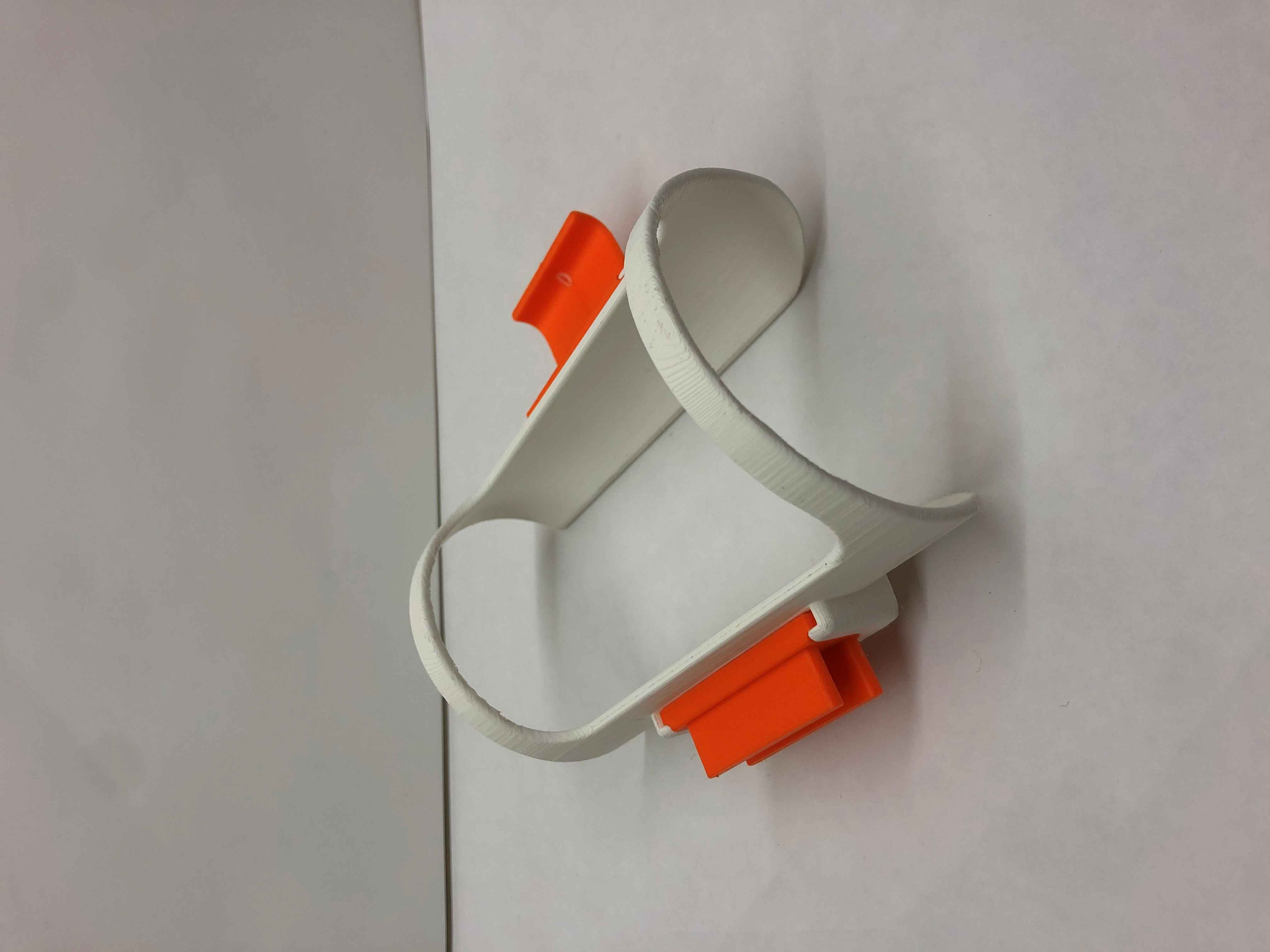
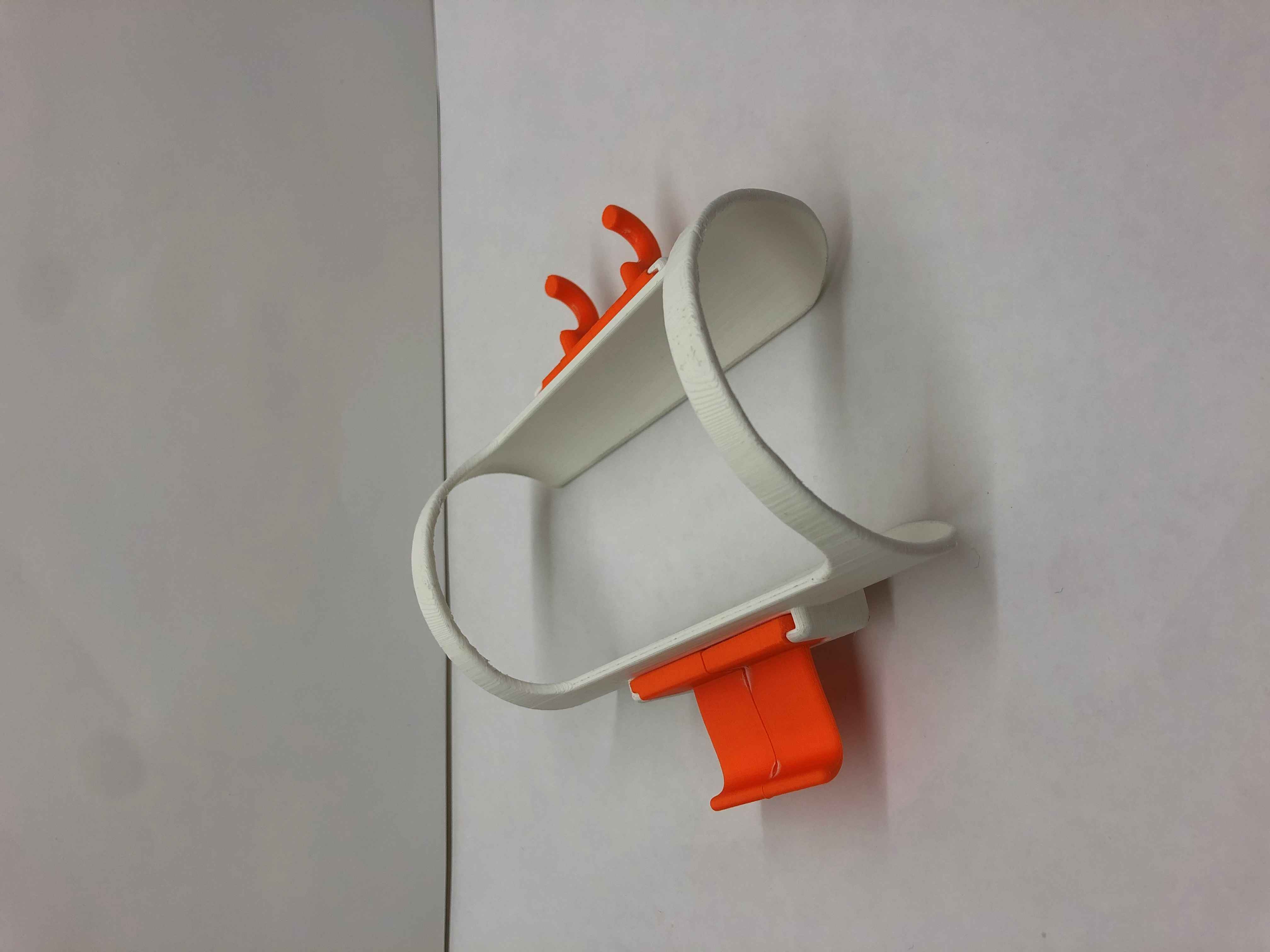
These are prototypes of a Rheumatoid Arthritis assistive products one can wear on their forearm to reduce the stress felt upon their wrists when carrying or lifting heavy products or bags. 3D printing allowed for quick rapid prototyping to see the viability of design.
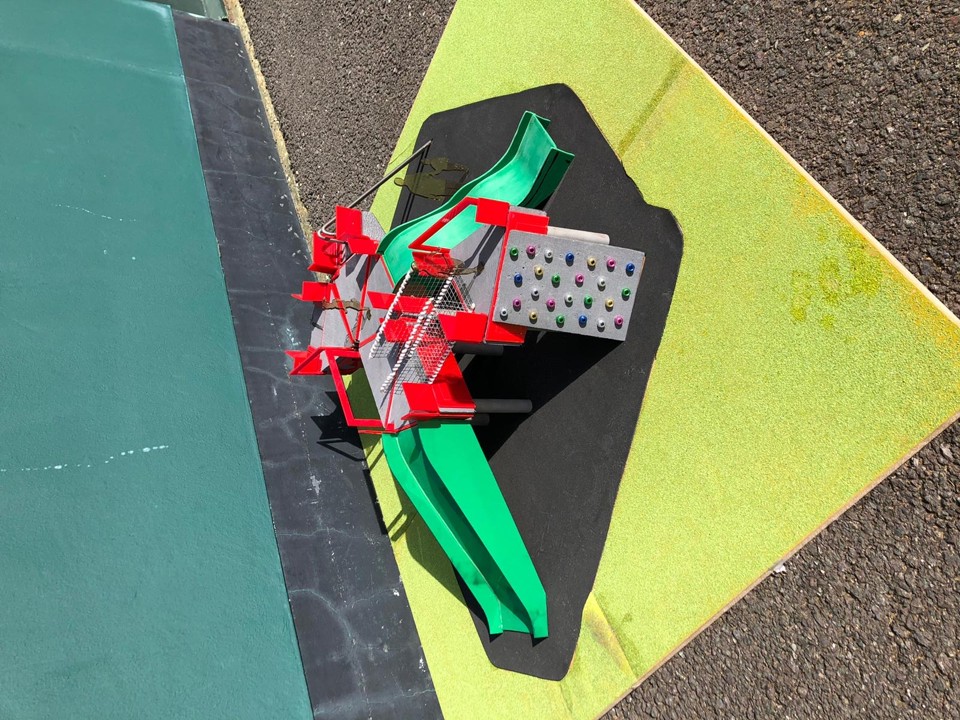
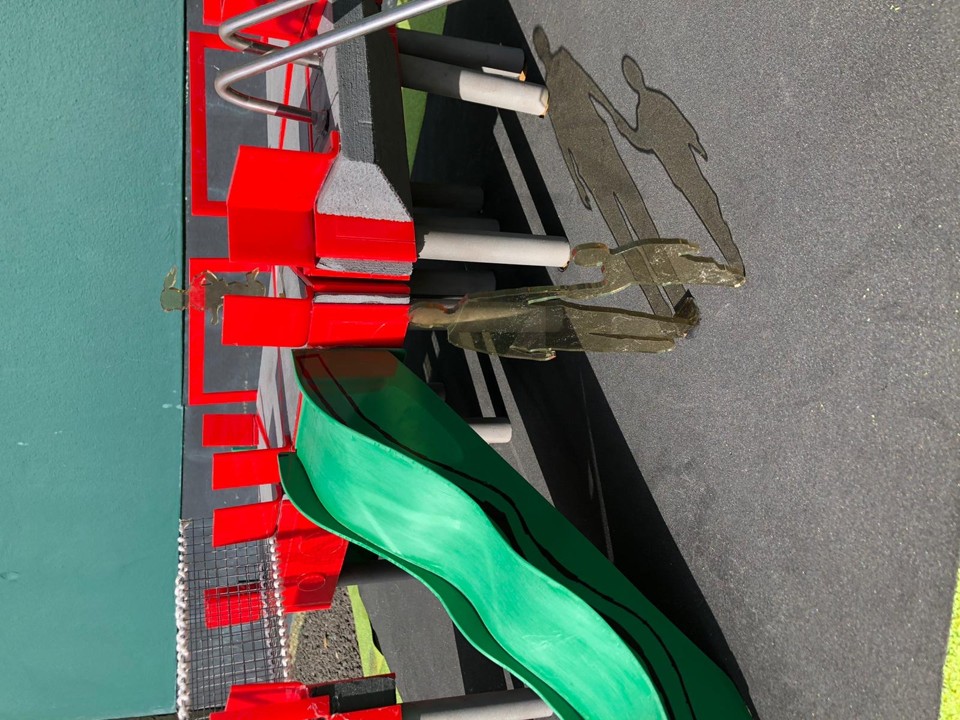
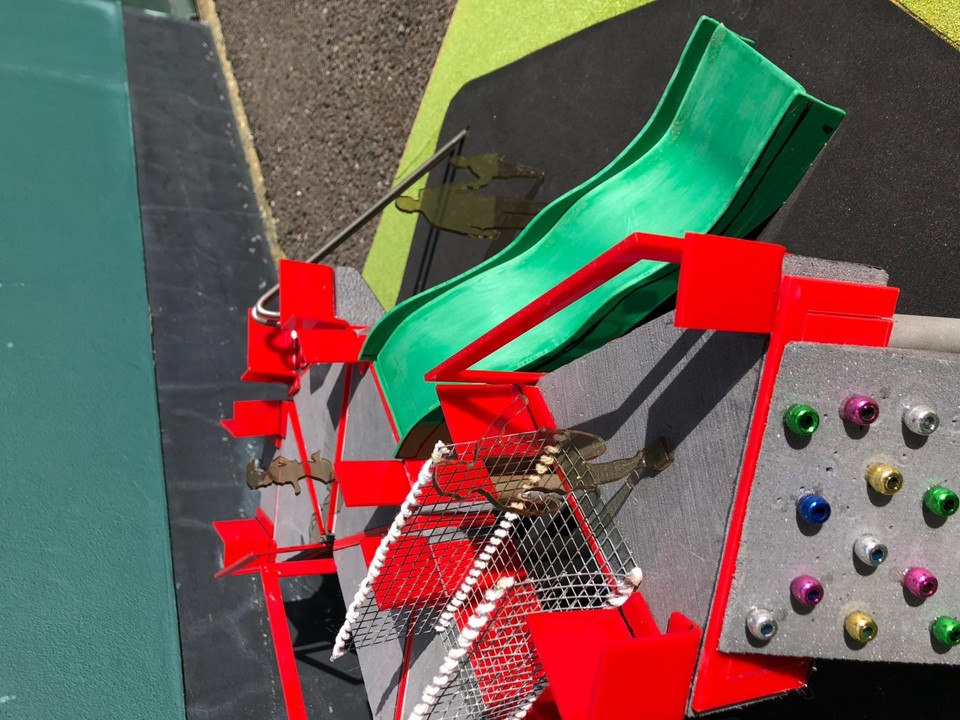
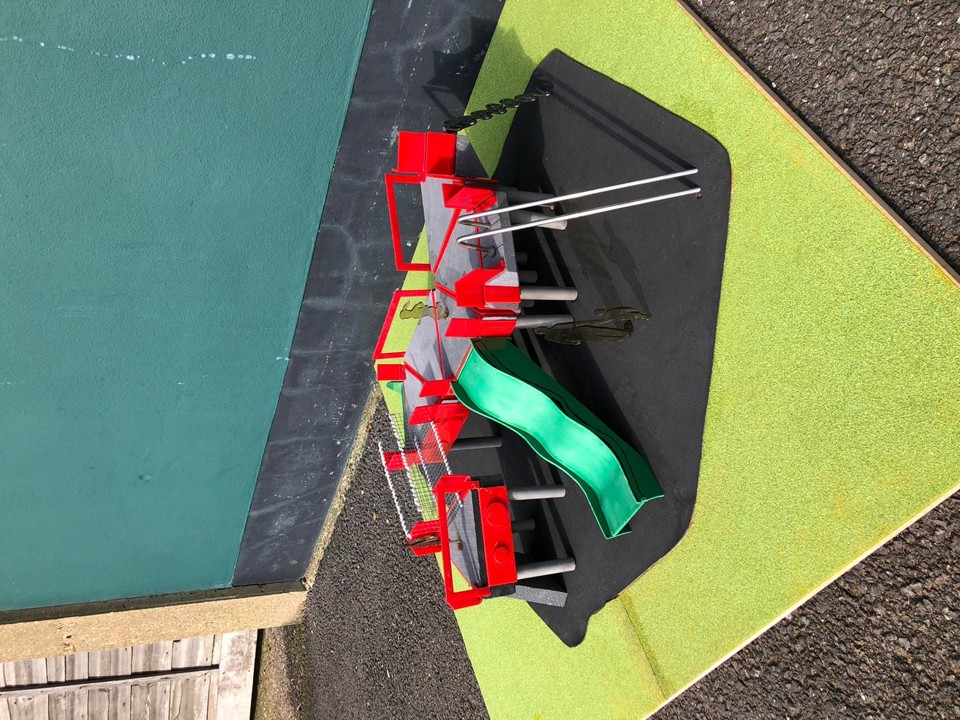
An Architectural model for a modular playground. Each component is designed in a triangular formation, allowing for full customisation and personalisation for their local playground.
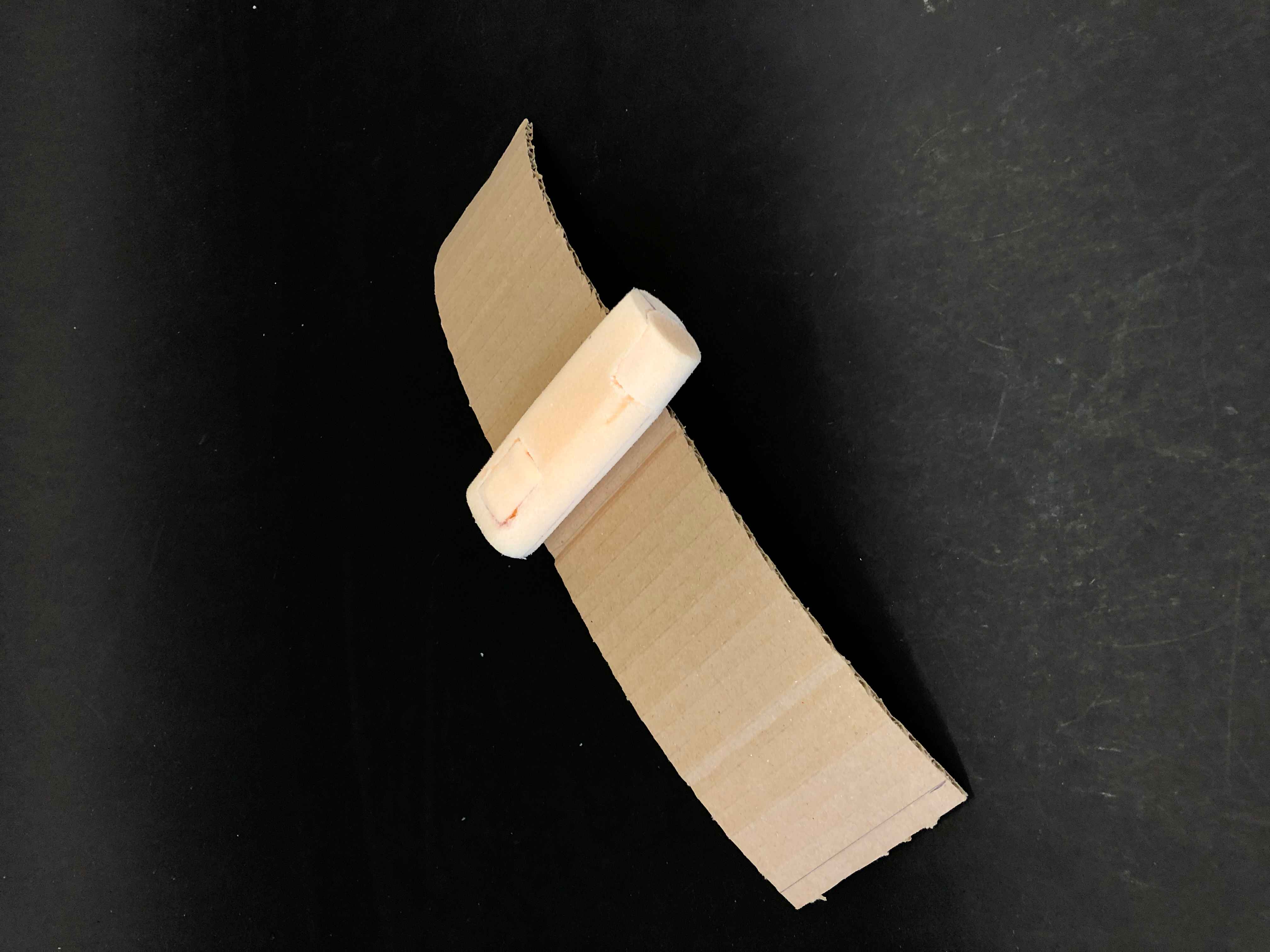
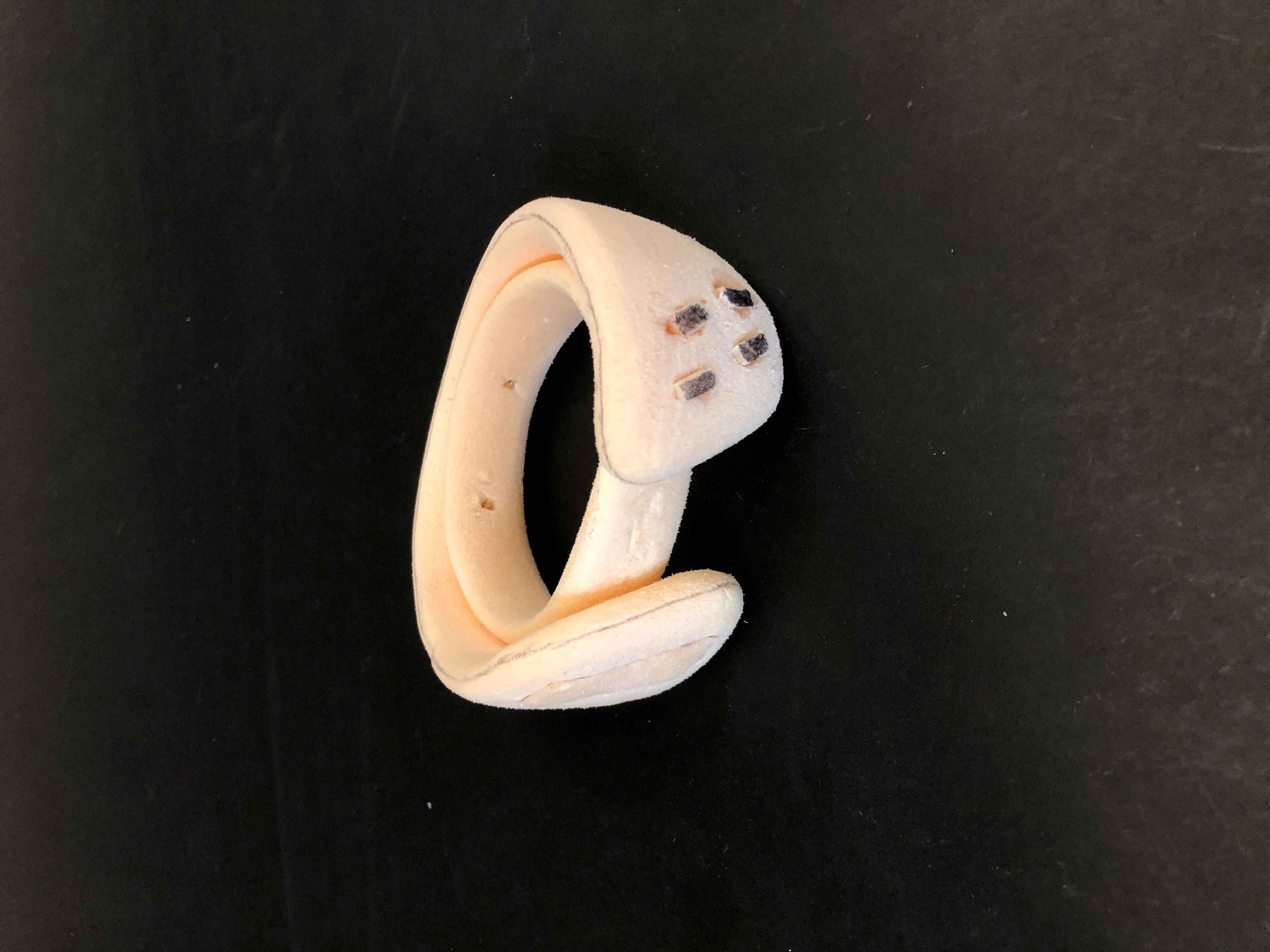
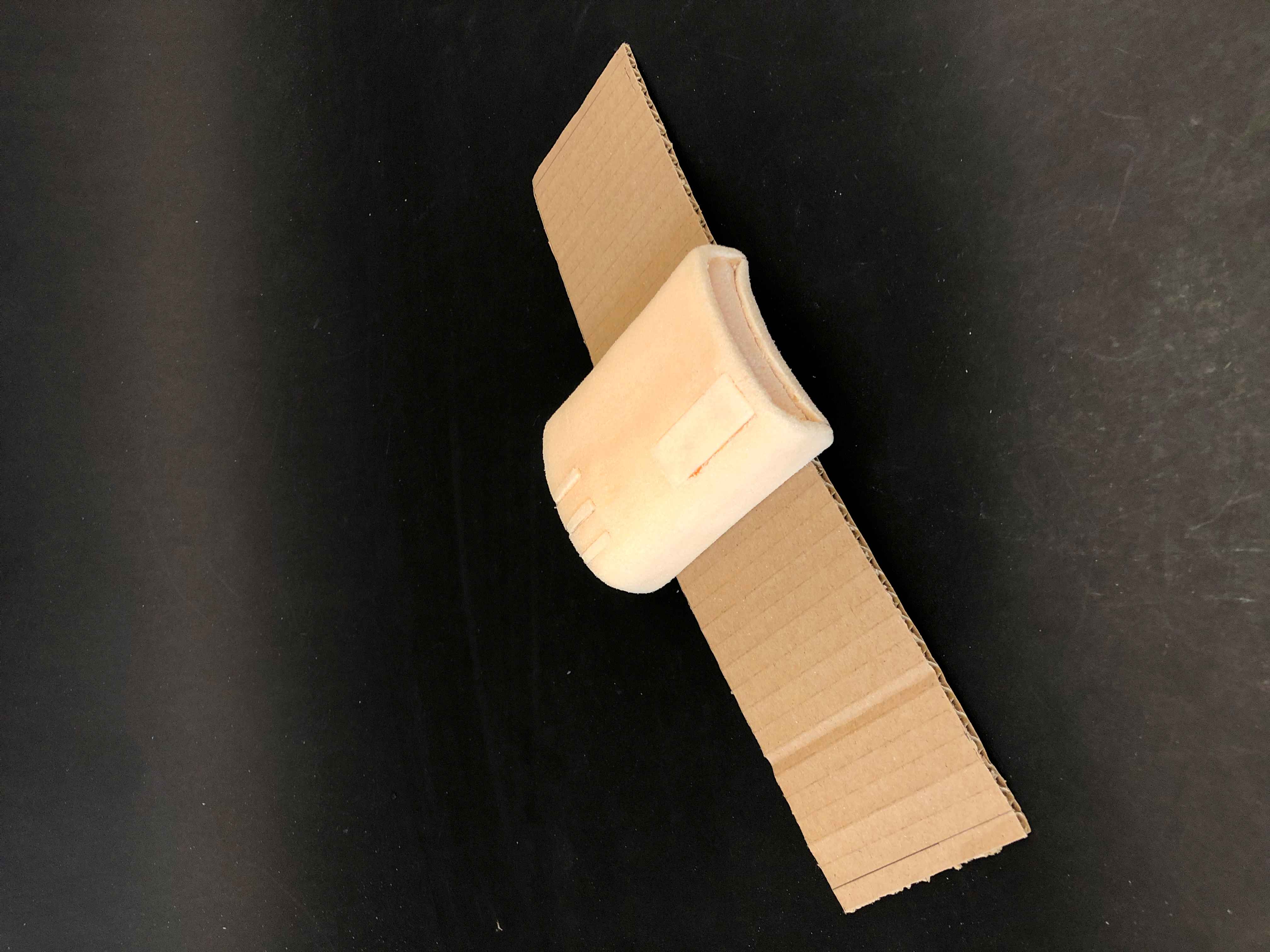
Some quick foam models to understand dimensions and aesthetics as well as initial form for a product. These quick to make prototypes allow for rapid prototyping and form direction decision making.